
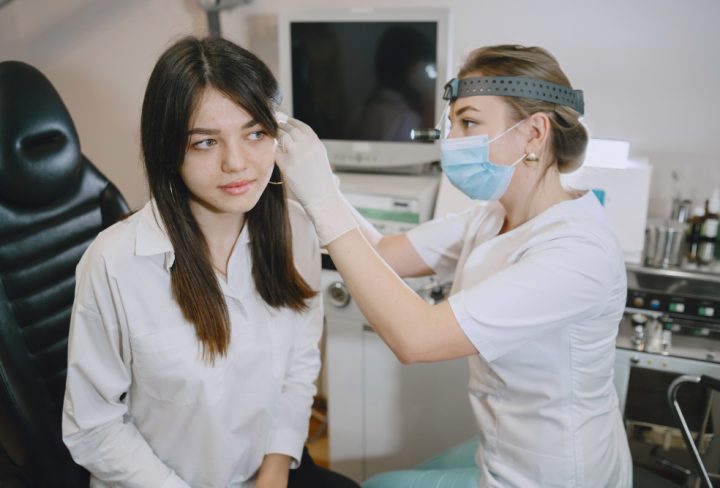
What is Earwax Impaction?
Earwax impaction happens when too much earwax builds up in the ear canal. This can block the ear and cause discomfort. Normally, earwax protects the ear by trapping dust and germs. However, sometimes earwax does not come out on its own. As a result, it can harden and cause problems. According to the CDC, earwax impaction is common and can affect people of all ages.
Common Symptoms of Earwax Impaction
Many people do not notice earwax impaction at first. However, symptoms can appear as the blockage grows. Some common signs include:
Sometimes, these symptoms may seem mild. But if they last, it is important to seek help.
Causes and Risk Factors
Earwax impaction can happen for many reasons. For example, some people naturally make more earwax. Others may have narrow ear canals. Here are some common causes and risk factors:
Because of these factors, some people are more likely to develop earwax impaction.
Safe Methods for Earwax Removal
Safe earwax removal is important to avoid injury. If you have mild symptoms, you can try these safe methods at home:
However, if symptoms do not improve, it is best to seek ENT advice for earwax. Doctors can use special tools or gentle suction to remove earwax safely. This is the best way to avoid damage to the ear.
What to Avoid: Unsafe Earwax Removal Practices
Many people try to remove earwax with unsafe methods. But these can cause harm. For example, avoid:
Because these methods can push earwax deeper or cause infection, it is best to avoid them. Always choose safe earwax removal options.
Prevention Tips for Earwax Impaction
Preventing earwax buildup is easier than treating impaction. Here are some tips to help:
With these steps, you can prevent earwax impaction and keep your ears healthy.
When to See an ENT Specialist
Sometimes, home care is not enough. You should see an ENT specialist if:
In these cases, an ENT doctor can provide safe earwax removal and advice. You can find an ENT specialist near you for expert care.
In summary, earwax impaction is common but treatable. Safe earwax removal and good habits can help prevent problems. Consult an ENT specialist for personalized guidance on earwax impaction.