
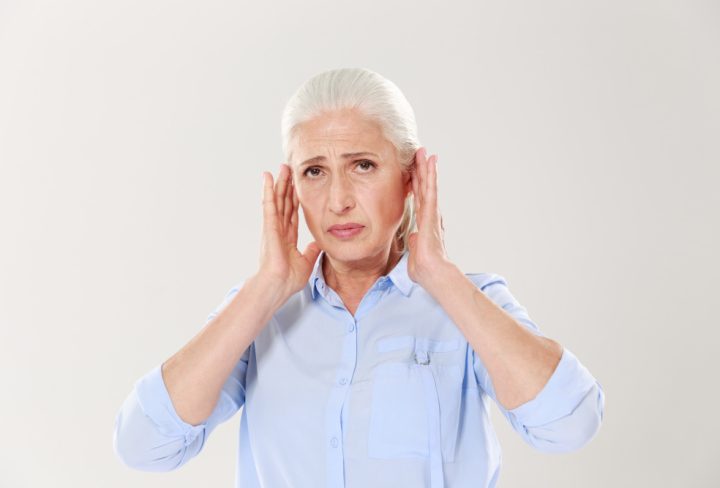
What is Tinnitus?
Tinnitus in older adults is a common problem. It means hearing sounds like ringing, buzzing, or hissing when no real sound is present. Often, these noises are only heard by the person affected. For many, tinnitus can be mild. However, some people find it bothersome or even distressing. Because it can affect sleep and mood, understanding tinnitus is important for older adults and their caregivers.
Common Symptoms of Tinnitus in Older Adults
Tinnitus symptoms can vary from person to person. Still, there are some signs that are often reported. For example, you may notice:
Sometimes, these symptoms can lead to stress or anxiety. But with the right support, many people learn to manage them.
Causes and Risk Factors
There are several causes of tinnitus in older adults. Most often, it is linked to age-related hearing loss. However, other factors can play a role. For instance:
Because these risks increase with age, older adults are more likely to experience tinnitus. But not everyone with these risk factors will develop it.
How Tinnitus is Diagnosed
Doctors use several steps to diagnose tinnitus in older adults. First, they ask about your symptoms and medical history. Next, they may check your ears for wax or infection. Often, a hearing test is done to see if hearing loss is present. In some cases, other tests like scans may be needed. This helps rule out rare but serious causes. Early diagnosis can lead to better coping with tinnitus.
Effective Coping Strategies and Treatments
There is no single cure for tinnitus. However, many treatment options can help reduce its impact. For example:
Because each person is different, a doctor can help choose the best approach. Sometimes, a combination of treatments works best.
Lifestyle Tips for Managing Tinnitus
Simple changes can make coping with tinnitus easier. For instance, you can try:
With these tips, many older adults find relief from daily tinnitus symptoms.
Prevention and When to Seek Help
While not all cases can be prevented, some steps may lower your risk. For example, always use ear protection in noisy places. Also, manage health conditions like high blood pressure. Regular hearing checks can catch problems early. However, if tinnitus starts suddenly, gets worse, or is linked to hearing loss or dizziness, see a doctor soon. Early help can make a big difference.
If you or a loved one is experiencing tinnitus, consult an ENT specialist for personalized guidance.