
Hearing Aids: Types, Benefits, and How to Choose the Right One

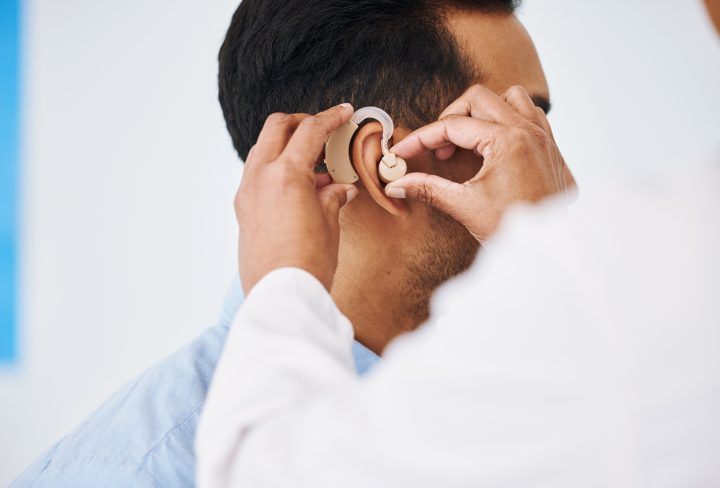
Doctor, man and hearing aid on ear for medical support, wellness and innovation of disability. Closeup, healthcare worker and deaf patient with audiology implant, service and help for sound waves.

Introduction to Hearing Aids

Hearing aids are small devices that help people hear better. They make sounds louder and clearer. Many people use hearing aids to improve their daily life. In fact, hearing aids can help with many types of hearing loss. According to the World Health Organization, over 430 million people need help with hearing. Because of this, hearing aids are important for many families.

Common Signs You May Need a Hearing Aid

Sometimes, it is hard to notice hearing loss. However, some signs can help you know if you need a hearing aid. For example, you may:

  • Ask people to repeat themselves often
  • Turn up the TV or radio louder than others prefer
  • Have trouble hearing in noisy places
  • Feel like people are mumbling
  • Miss phone calls or doorbells
  • If you notice these signs, it may be time to see a hearing specialist.

    Types of Hearing Aids

    There are several types of hearing aids. Each type fits different needs. Here are the most common ones:

  • Behind-the-ear (BTE): These sit behind the ear and connect to an ear mold. They are easy to use and work for most people.
  • In-the-ear (ITE): These fit inside the outer ear. They are less visible than BTE aids.
  • In-the-canal (ITC) and completely-in-canal (CIC): These are small and fit inside the ear canal. They are almost hidden but may be harder to handle.
  • Receiver-in-canal (RIC): These are like BTE aids but smaller. The speaker sits in the ear canal for better sound.
  • Digital hearing aids: These use advanced technology to adjust sounds. They offer clear sound and many features.
  • Because each type has pros and cons, it is important to learn about them before choosing.

    How Hearing Aids Work

    Hearing aids have three main parts: a microphone, an amplifier, and a speaker. First, the microphone picks up sounds. Next, the amplifier makes the sounds louder. Finally, the speaker sends the sounds into your ear. Most modern hearing aids are digital. They can filter out background noise and focus on speech. As a result, you can hear better in many settings.

    Benefits of Using Hearing Aids

    Hearing aids offer many benefits. For example, they can:

  • Improve your ability to hear conversations
  • Help you enjoy music and TV again
  • Make it easier to talk on the phone
  • Reduce feelings of loneliness
  • Boost your confidence in social settings
  • In addition, digital hearing aid benefits include better sound quality and more comfort. For seniors, the best hearing aids for seniors are easy to use and adjust.

    How to Choose the Right Hearing Aid

    Choosing the right hearing aid can feel hard. However, some factors can help you decide. Consider the following:

  • Your type and level of hearing loss
  • Comfort and fit
  • Style and size
  • Features like noise reduction or Bluetooth
  • Your budget
  • Ease of use and battery life
  • Support and service in your area (for example, hearing aids in your city)
  • Because everyone is different, it is best to talk to a hearing specialist. They can help you find the best option for your needs.

    Tips for Adjusting to New Hearing Aids

    Getting used to hearing aids takes time. But with patience, you will adjust. Here are some tips:

  • Wear your hearing aids every day
  • Start in quiet places, then try noisy areas
  • Practice listening to different sounds
  • Ask family and friends to speak clearly
  • Be patient with yourself as you adapt
  • If you have trouble, your hearing specialist can help you make changes.

    Maintenance and Care for Hearing Aids

    Proper care keeps your hearing aids working well. For best results:

  • Clean your hearing aids daily with a soft, dry cloth
  • Keep them dry and away from water
  • Change batteries as needed
  • Store them in a safe, dry place
  • Have them checked by a specialist regularly
  • Because hearing aids are delicate, gentle care is important.

    Frequently Asked Questions About Hearing Aids

  • Do hearing aids restore normal hearing? No, but they make sounds clearer and louder.
  • Are hearing aids covered by insurance? Sometimes, but it depends on your plan and location.
  • How long do hearing aids last? Most last 3 to 7 years with good care.
  • Can I sleep with my hearing aids? No, it is best to remove them at night.
  • Are there hearing aids for children? Yes, special models are made for kids.
  • Conclusion

    Hearing aids can change your life for the better. They help you connect with others and enjoy daily sounds. If you think you need help, consult a hearing specialist for personalized advice. They can guide you to the best hearing aid for your needs.

    Share