
What Is Cochlear Implantation?
Cochlear implantation is a medical procedure that helps people with severe hearing loss. Unlike hearing aids, cochlear implants send sound signals directly to the hearing nerve. Many people choose cochlear implantation when other hearing loss treatments do not work. According to the World Health Organization (WHO), cochlear implants can improve hearing and quality of life for many patients.
Symptoms and Hearing Loss Indications
Some signs may show you need help with your hearing. For example, you might:
If you notice these symptoms, you may want to talk to a hearing specialist. Early action can make a big difference.
Causes of Hearing Loss Addressed by Cochlear Implants
Cochlear implants help people with sensorineural hearing loss. This type of hearing loss happens when the inner ear or hearing nerve does not work well. Common causes include:
However, cochlear implants do not help with hearing loss caused by problems in the outer or middle ear.
How Cochlear Implants Work
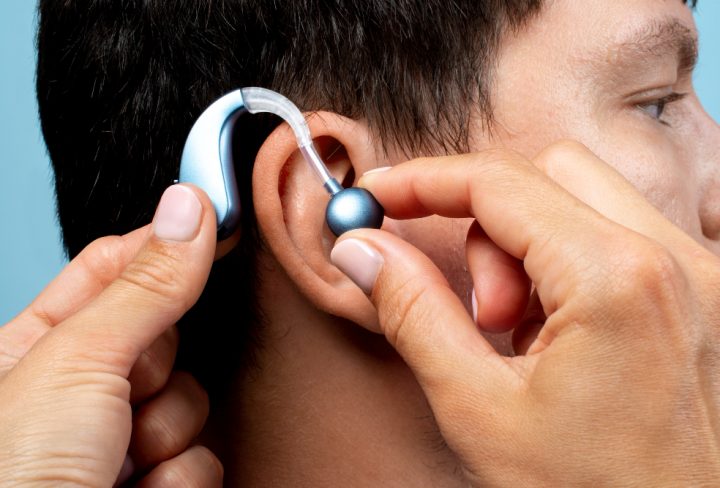
Cochlear implants have two main parts. The first part sits behind the ear. The second part is placed inside the ear during surgery. Together, they change sounds into electrical signals. These signals go straight to the hearing nerve. As a result, the brain can “hear” the sounds. While cochlear implants do not restore normal hearing, they can help you understand speech and sounds better.
Diagnosis and Candidacy for Cochlear Implantation
Not everyone with hearing loss needs cochlear implantation. First, a hearing specialist will check your hearing with tests. Next, you may meet with an ENT doctor and an audiologist. They will look at your medical history and test results. You may be a good candidate if:
Children and adults can both get cochlear implants. Early diagnosis and treatment often lead to better results.
The Cochlear Implantation Procedure
Cochlear implant surgery is usually safe and takes about two to three hours. First, doctors give you anesthesia to keep you comfortable. Then, the surgeon makes a small cut behind your ear. Next, the implant is placed inside the inner ear. After surgery, you may go home the same day or stay overnight. The outer part of the device is fitted a few weeks later. Your care team will guide you through each step.
Recovery and Aftercare
After cochlear implantation, you may feel mild pain or swelling. However, most people recover quickly. You should follow your doctor’s advice for care at home. About two to four weeks later, the device is turned on. Then, you will start hearing new sounds. After that, you will need regular check-ups and therapy. Speech and listening practice help you get the most from your cochlear implant.
Benefits and Potential Risks
Cochlear implants offer many benefits, but there are also some risks. Benefits include:
However, as with any surgery, there are risks. These may include:
Most people find the benefits of cochlear implants outweigh the risks. Still, it is important to discuss these with your doctor.
Lifestyle Guidance for Cochlear Implant Users
After cochlear implantation, you may need to adjust your daily habits. For example, you should:
With time and practice, most people adjust well to their cochlear implants.
Prevention and Hearing Health Tips
While cochlear implantation helps many, it is best to protect your hearing early. Here are some tips:
Good hearing habits can lower your risk of hearing loss.
Conclusion
Cochlear implantation is a proven hearing loss treatment for many people. It can help you hear better and enjoy life more. However, it is important to know the benefits and risks. Consult an ENT specialist to learn if cochlear implantation is right for you.